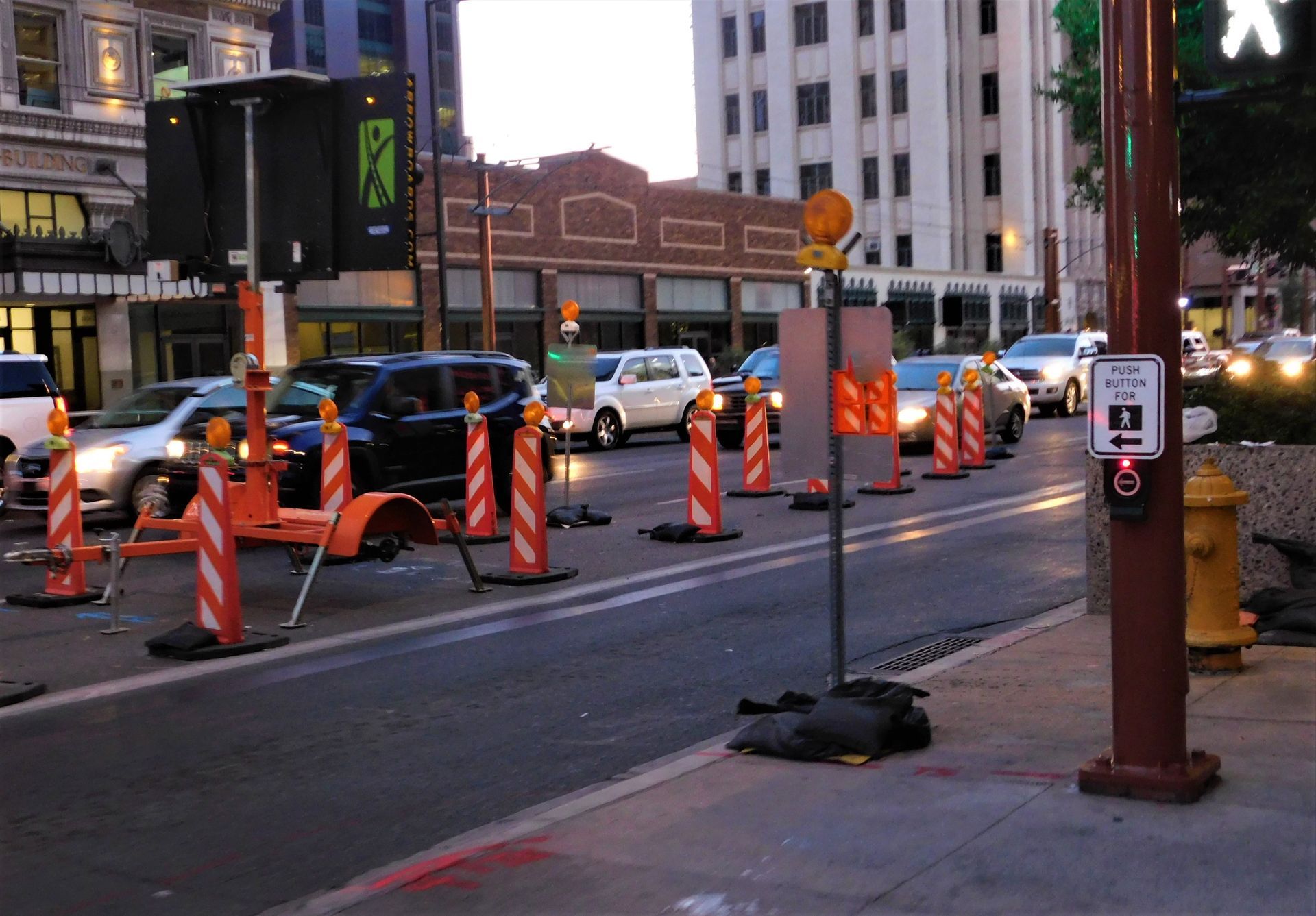
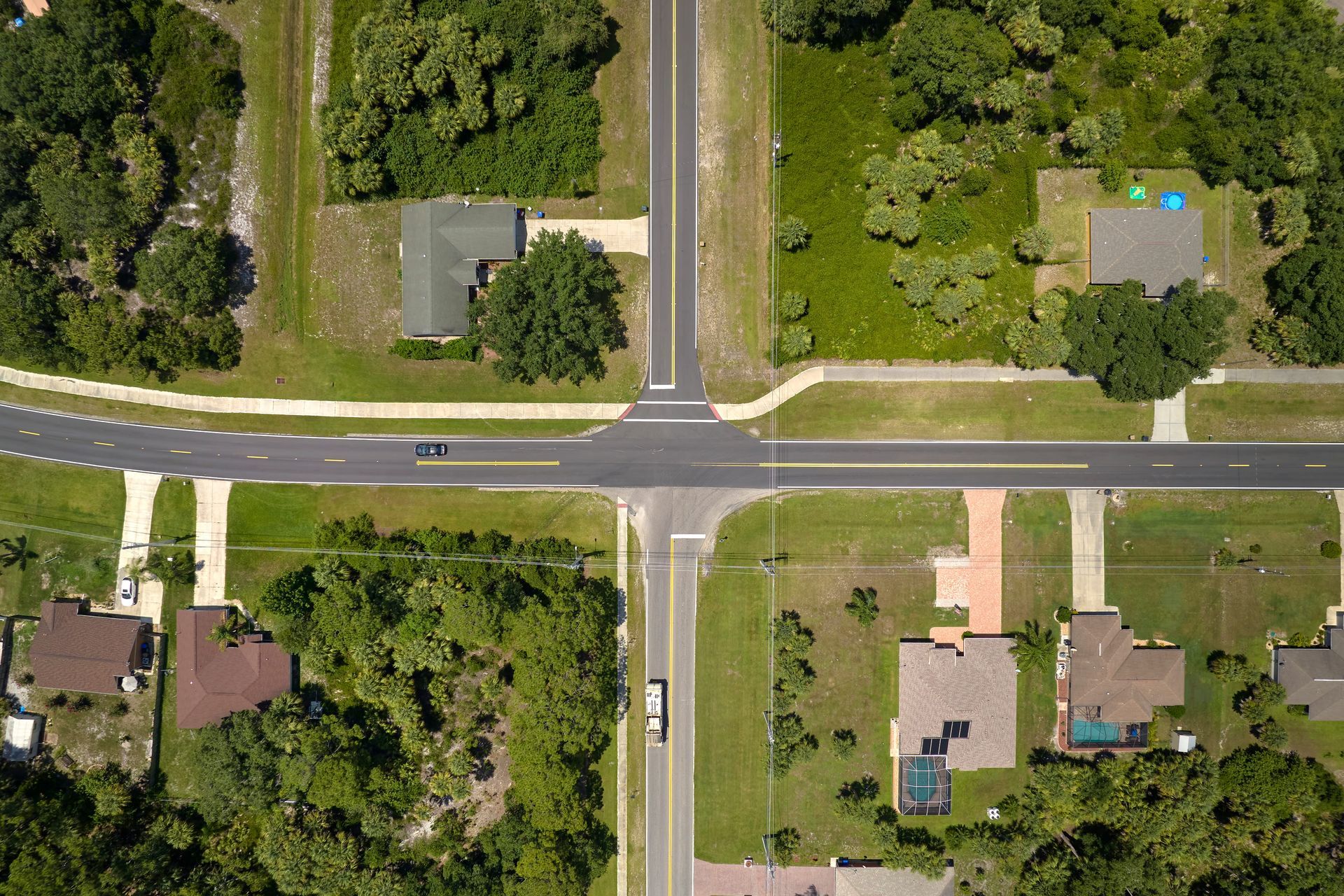
Who is Your Traffic Control Plan Actually For? (And Why It Matters for Your Schedule)

If you are a contractor, underground utility specialist, or project manager, chances are you only need a Traffic Control Plan (TCP) because a city official or safety officer slammed the brakes on your encroachment permit until you submit one. Let’s be honest: it feels like an administrative hurdle, and when your excavation crew or crane operation is already behind schedule, dealing with municipal red tape is the last thing you have time for.
However, before you submit a generic sketch just to check a box, there is one critically important question that can make or break your timeline: Who is your Traffic Control Plan actually for?
Getting the answer right upfront is the single best way to minimize revisions, slash drafting expenses, and prevent costly project downtime. Let’s break down who is really looking at your plan, why their rules feel so overbearing, and how to get your plan approved on version one.
The True Audience of Your Traffic Control Plan
While it is tempting to think you are drafting a plan for your own field crew, that is rarely the case. Most TCPs, Traffic Management Plans (TMPs), Pedestrian Control Plans (PCPs), or Pedestrian Management Plans (PMPs) are written for a very specific audience: the reviewing governing agency.
Depending on your project's footprint, your audience typically falls into one of three buckets:
- A Single Governing Agency: A local City Public Works department, County transportation office, or State Department of Transportation (DOT).
- Multiple Overlapping Agencies: Projects that sit on jurisdictional boundaries—like a city street that intersects with a state highway, or an excavation that impacts both municipal roads and a regional transit bus route.
-
- Internal Safety Teams: A small percentage of plans are drafted strictly for internal corporate compliance or general contractor safety reviews prior to breaking ground.
Why Every Jurisdiction is a Different Beast
If you have ever felt like municipal traffic requirements are overbearing or arbitrary, you are not alone. Often, a contractor will submit a plan that was approved in one city, only to have it immediately rejected by a neighboring town just three miles away.
Why? Because each governing agency has a unique set of historical pain points. Almost every seemingly repetitive requirement or hyper-specific note on a checklist was born from a real-world field issue that agency encountered in the past.
When your plan lands on a city reviewer’s desk, they are scanning for their specific local concerns:
| Agency / Entity Type | Common Hidden Requirements & Reviewer Priorities |
|---|---|
| City Public Works | Neighborhood notification timelines, driveway access for local businesses, and sidewalk closures. |
| State DOTs | Strict adherence to MUTCD standards, high-speed taper lengths, and night-work visibility rules. |
| Special Districts (Water/Sewer) | Maintaining unobstructed access to fire hydrants, manholes, and emergency shut-off valves. |
| Transit Authorities | Relocation plans for bus stops, overhead wire clearance for cranes, and pedestrian ADA compliance. |
The Overlapping Jurisdiction Trap
When more than one agency has jurisdiction, your plan must satisfy all of them simultaneously. This is where complexity skyrockets. For example, a city reviewer might approve your lane closure, but the local transit authority might reject the exact same setup because it doesn't account for bus turning radiuses. One rule in one agency can easily trigger a domino effect of additional requirements in another.
The True Cost of Getting Version 1 Wrong
When a contractor submits a rushed or generic TCP that fails to address the specific audience's guidelines, the consequences compound quickly:
- The Revision Loop: Your plan gets kicked back with redlines. You spend days tweaking it, only to have another reviewer flag a different missing detail.
- Direct Financial Loss: Every round of redrawing adds drafting expenses and re-submittal fees.
- The Schedule Killer: While your plan sits in a city reviewer's queue for the second or third time, your heavy machinery sits idle, your crew is waiting, and your project completion date slips further out of reach.
How to Guarantee Version 1 Approval
To break out of the municipal waiting game, you have two options: you can spend hours digging through confusing city municipal codes to source their exact drafting guidelines yourself, or you can hire a drafter who already has extensive, proven experience with that specific agency.
If you are vetting a drafter, always ask one simple question: "Can you furnish copies of past plans you have successfully had approved by this specific city or DOT?"
Confirming their local credentials and agency track record upfront drastically increases the odds of drafting a bulletproof plan on version one—saving you thousands of dollars in delays.
Cut the Red Tape with 123TCP
At 123TCP, we know you aren't looking to buy extra construction hardware—you just want your permit approved so you can get to work. That is why we operate a direct-to-drafter marketplace.
We connect contractors, plumbers, tree trimmers, and crane operators directly with skilled, locally experienced drafters without the middleman. Because we strictly focus on professional plan drafting, we will never try to bundle unwanted contracting services or upsell you on physical signs, cones, or flaggers you don't need.
Got an urgent deadline or a stalled encroachment permit? We offer expedited turnaround options to get your compliant plan drafted, submitted, and approved fast.
Don't let municipal red tape keep your crew standing around.
Get Plans Now and connect directly with a professional drafter who knows your city's exact rules.
Frequently Asked Questions
What is the main purpose of a Traffic Control Plan (TCP)?
The primary purpose of a Traffic Control Plan is to safely route vehicles, bicyclists, and pedestrians around a construction or excavation zone while protecting the workers on site. However, from an administrative standpoint, its purpose is to demonstrate to governing municipalities that your project complies with safety standards (such as the MUTCD) so you can secure an encroachment right-of-way permit.
Why did the city reject my Traffic Control Plan?
Cities most commonly reject TCPs due to missing localized requirements rather than general safety errors. Common rejection triggers include: failing to illustrate fire hydrant locations, omitting pedestrian ADA-compliant detour routes, lacking a required Professional Engineer (PE) or Traffic Engineer (TE) stamp, or ignoring overlapping transit authority rules.
What is the difference between a TCP, a TMP, and a PCP?
While often used interchangeably by contractors, they serve distinct scopes:
- TCP (Traffic Control Plan): Focuses specifically on temporary signage, channelizing devices (cones/barricades), and lane closures for vehicular traffic.
- TMP (Traffic Management Plan): A broader, comprehensive strategy that includes traffic control, public awareness campaigns, and regional traffic impact mitigation.
- PCP/PMP (Pedestrian Control/Management Plan): Focuses exclusively on the safe routing, ADA compliance, and protection of pedestrians navigating around a sidewalk or right-of-way closure.
How long does it take to get a Traffic Control Plan drafted and approved?
Drafting a standard TCP typically takes between 24 to 72 hours depending on project complexity. However, city review times can range anywhere from a few days to several weeks. Utilizing expedited drafting options through a platform like 123TCP ensures your plan is submitted immediately and drafted correctly the first time, preventing multi-week revision cycles.
Do I need a Professional Engineer (PE) to stamp my Traffic Control Plan?
Not always. Simple residential encroachment permits or minor shoulder closures often only require a standard CAD-drafted plan based on typical MUTCD manuals. However, high-speed arterial roads, complex multi-lane closures, or long-term structural encroachments often require a licensed PE or TE stamp by municipal law. When you submit your project on 123TCP, we match you with drafters qualified to meet your specific permit's stamping requirements.
Recent Posts