

Navigating Encroachment Permits: What is a Traffic Control Plan?

123 TCP • September 29, 2026

Share this article

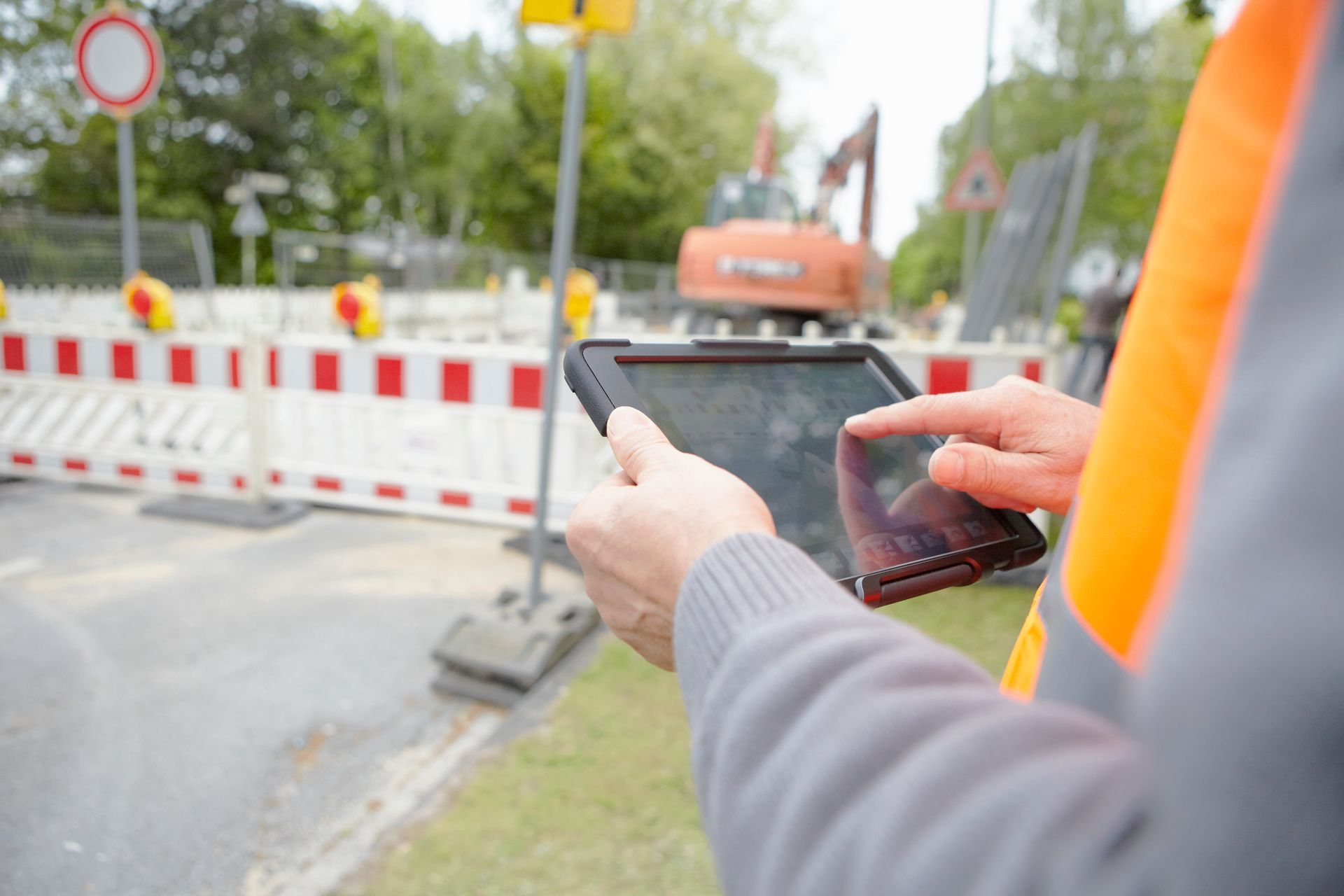
Person holding a tablet near a road construction barrier with a worker in an orange vest nearby

Contractors and event managers doing their first work in the public Right of Way (ROW) can be blindsided by the need for a "Traffic Control Plan" (TCP, sometimes referred to as a Traffic Management Plan (TMP) or even a Pedestrian Control Plan in areas without vehicular traffic).


The Traffic Control Plan is most often required by the agency governing the ROW as part of their Encroachment Permit Process, and is a key element of that permit. Traffic Control Plans detail how the general public will be kept safe and separate from the area your project needs. The level of detail can vary greatly depending on what the governing agency requires, but generally includes either guidelines or specifics for placing Traffic Control Devices (cones, barricades, signs, etc.) to both inform the public and safely separate the public from the closed area.

Generic vs. Site-Specific Traffic Control Plans

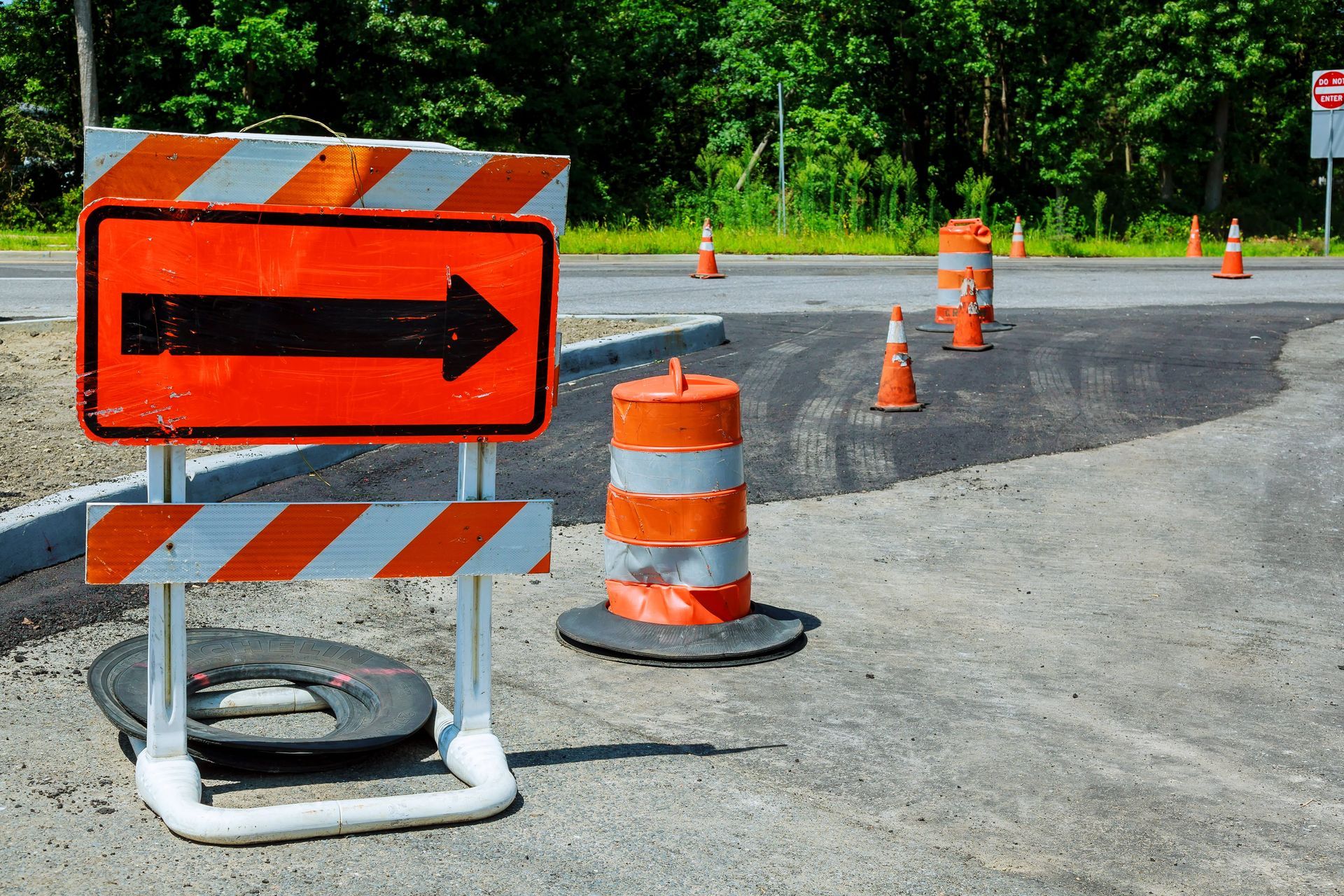
Orange roadwork sign with black right arrow beside traffic cones on a paved road

Some agencies allow for 'generic' or 'standard' traffic control plans, which depict a generic work zone in a generic setting, like a street or intersection. These generic plans are often made available by larger governing agencies as part of a set that covers the most commonly encountered generic situations. A common set is available in the Manual on Uniform Traffic Control Devices (MUTCD), and other versions may be available from your State DOT or Utility Commission. When using a generic TCP, the party implementing the plan must apply the generic plan to the specific worksite. Generic plans are often used for emergency utility repair work, where there may not be time to draft a Site-Specific Traffic Control Plan.


Often, agencies will require a Site-Specific TCP. This is a TCP that is drafted specifically for your work, detailing the area, labeling streets and/or other landmarks, and specifically placing your work area and Traffic Control Devices in set locations. The Generic TCPs often serve as a reference for drafting the site-specific TCP.


Sometimes, work occurring in the same area as past work can reuse a Site-Specific TCP. This depends on the governing agency's requirements and the specifics of that plan. For example, a simple closure for excavation to tie into a water main may use the same footprint as a concrete pour, but the frequent concrete delivery trucks needed for the concrete pour may necessitate a new TCP to address the trucking concerns.

Project Phasing and Agency Review

Construction worker in white hard hat reviewing plans at an active worksite with two workers in the background

Sometimes, work at one location may require multiple phases of one TCP. This often happens where the whole road cannot be closed at once and the contractor must work in phases, or when the footprint of work changes throughout the project. Phasing the traffic plan allows for minimal impact to the public.


Each governing agency will review the TCP before issuing an Encroachment Permit. It is typical for the TCP to go through a round of revisions as directed by the reviewing engineer. Some agencies even require the TCP be stamped by either a Professional Engineer (PE) or a Traffic Engineer (TE), who, by stamping, carry specific liability for the plan.

Cut the Red Tape with 123TCP

At 123TCP, we know you aren't looking to buy extra construction hardware—you just want your permit approved so you can get to work. That is why we operate a direct-to-drafter marketplace.


We connect contractors, plumbers, tree trimmers, and crane operators directly with skilled, locally experienced drafters without the middleman. Because we strictly focus on professional plan drafting, we will never try to bundle unwanted contracting services or upsell you on physical signs, cones, or flaggers you don't need.


Got an urgent deadline or a stalled encroachment permit? We offer expedited turnaround options to get your compliant plan drafted, submitted, and approved fast.


Don't let municipal red tape keep your crew standing around.


Get Plans Now and connect directly with a professional drafter who knows your city's exact rules.

Frequently Asked Questions

  • What is the main purpose of a Traffic Control Plan (TCP)?

    A TCP is designed to ensure the safety of both workers and the public by detailing exactly how traffic (vehicular or pedestrian) will be safely routed around a work zone in a public Right of Way. It is a mandatory requirement for most municipal encroachment permits.

  • Do I need a Generic or a Site-Specific Traffic Control Plan?

    It depends on your municipality and project scope. Generic plans are often allowed for standard or emergency work, while complex projects typically require a Site-Specific TCP that maps out exact local streets, landmarks, and device placements.

  • Will I need an engineer to stamp my TCP?

    Some municipalities and high-traffic areas do require a Professional Engineer (PE) or Traffic Engineer (TE) to review and stamp your plans for liability purposes. Always check your specific local encroachment permit guidelines.

  • Why was my Traffic Control Plan rejected by the city?

    It is incredibly common for a TCP to go through a round of revisions with the reviewing city engineer. Rejections typically happen if the plan lacks site-specific details, doesn't account for project phasing, or doesn't meet exact local safety codes.

Recent Posts

By 123 TCP • October 30, 2026
Confused by the MUTCD and local city traffic regulations? Learn what you need for your encroachment permit and how 123TCP gets your plans drafted fast.
Orange construction barricades and a black arrow sign blocking a city street near buildings.
By 123 TCP • October 23, 2026
Learn the latest rules for public ROW parking restrictions, from encroachment permits to sign requirements, and keep your project on schedule.

Hand stamping a document on a desk, with a blurred laptop in the background
By 123 TCP • September 21, 2026
Learn what an encroachment permit is, why contractors need one for public right-of-way projects, and how 123TCP speeds up your Traffic Control Plan approvals.
Downtown street with orange traffic cones, cars, and a roadwork sign at dusk
By 123 TCP • September 10, 2026
Struggling to get your sidewalk closure or pedestrian diversion approved? Learn how to navigate municipal TCP requirements and get your permits approved fast.
Aerial view of a suburban four-way intersection with houses, trees, lawns, and parked cars.
By 123 TCP • August 31, 2026
Need a Traffic Control Plan for public right-of-way on private property? Learn how to navigate double the red tape, avoid delays, and get your TCP approved fast.

Worker in reflective gear walking on wet pavement carrying two orange traffic cones
By 123 TCP • August 16, 2026
Learn when to use lane shifting instead of full closures for your next construction project. Discover how proper taper lengths save time and flagging costs.

Toy cars and road signs surrounding a sketchpad with a drawn intersection on a blue background
By 123 TCP • August 4, 2026
Stalled by municipal permit red tape? Discover who your Traffic Control Plan is really for, avoid costly revision cycles, and get approved faster with 123TCP.